The Importance of Clean Milking Practices on a Dairy Farm
The Importance of Clean Milking Practices on a Dairy Farm explores an aspect of artisan goat
A useful starting point is to consider farm records, feed and forage information, milking schedules, clean handling equipment, and a clear understanding of the farm’s daily workflow. The details can vary between farms, cheese styles, and local regulations, so general guidance should be adapted to the product label and the instructions supplied by the producer.
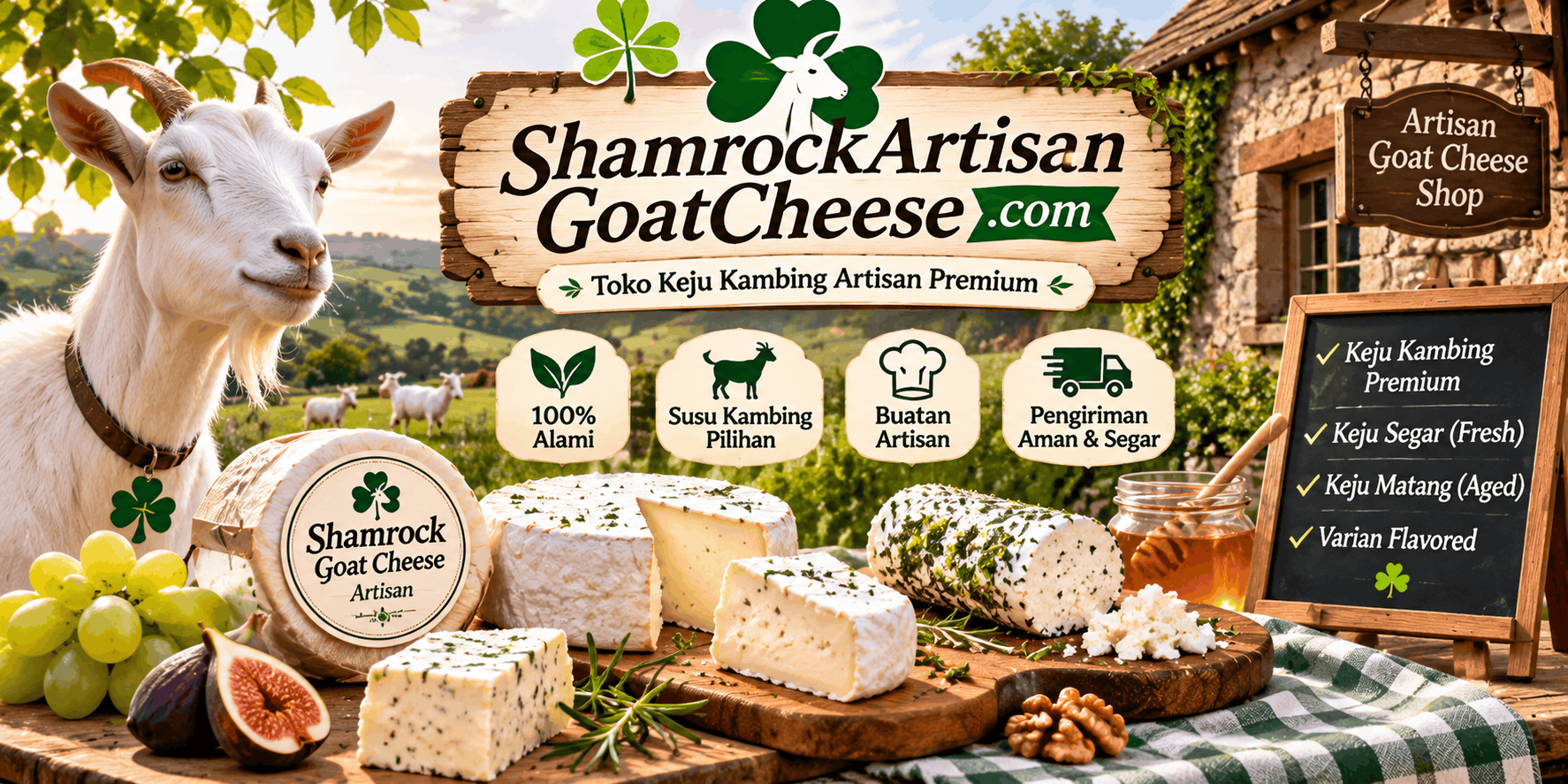
Shamrock Artisan Goat Cheese’s website presents a range that includes Plain Chèvre, Basil Chèvre, Garlic Chèvre, Chive Chèvre, Dill Chèvre, Jalapeño Chèvre, Feta, Shamrock Bouchon, Ashed Tomette, and Tome du Mendocino. The articles in this collection discuss the broader craft and food context without assuming that every product, size, or purchase option is available at all times.
Understanding the Subject
Artisan cheese is shaped by more than a recipe. Milk characteristics, animal care, handling,
Important Details to Consider
- Source: Understand where the milk or other main ingredients come from when that information is available.
- Process: Consider whether the cheese is fresh, drained, aged, or finished with herbs or a rind treatment.
- Handling: Follow the producer’s storage and serving guidance.
- Context: Remember that taste is influenced by serving temperature, accompaniments, and personal preference.
A Practical Step-by-Step Guide
- Start with the purpose: Decide whether the goal is to learn about production, plan a tasting, prepare a recipe, or understand a farm practice.
- Gather the relevant information: Describe the farm’s production steps, identify how herd care and milk handling connect, and explain how each stage contributes to the finished cheese.
- Observe before deciding: Notice texture, appearance, aroma, ingredient details, or the workflow being discussed.
- Make a thoughtful comparison: Compare similar cheese styles or practices while keeping differences in age, moisture, and preparation in mind.
- Apply the guidance: Use the information in a recipe, tasting, storage routine, or broader understanding of farmstead food.
- Review the result: Record what worked and consult the producer’s current information whenever product-specific guidance is needed.
Flavor, Texture and the Role of Context
Cheese is best explored with attention to its texture and flavor rather than relying only on a label or a single tasting note. Fresh chèvre is commonly appreciated for its soft, spreadable character, while aged styles can develop a firmer texture and more concentrated flavor. Herb additions, salt, rind treatments, and accompaniments also change the tasting experience.
Serving conditions matter. Very cold cheese may seem firmer and less expressive, while a cheese left out too long can raise food-safety concerns. Follow the producer’s instructions and applicable food-safety guidance, and serve only the amount that can be enjoyed within a safe period.
Ways to Explore Further
Readers can build their understanding by comparing cheese styles, learning about the work of dairy farmers, and experimenting with simple food pairings. A tasting notebook can record the cheese name, texture, aroma, accompaniments, and personal observations. In cooking, start with a modest amount and adjust gradually so the cheese complements rather than dominates the dish.
- Taste a cheese on its own before adding accompaniments.
- Use plain bread or crackers as a neutral starting point.
- Pair rich or salty flavors with ingredients that provide freshness or contrast.
- Check product labels for ingredients, allergens, and storage instructions.
Farm, Craft and Food Responsibility
Small-scale dairy and artisan food production involve ongoing attention to animal care, sanitation,
Specific claims about animal welfare, organic certification, environmental performance, or production methods should be tied to current, reliable documentation. General articles should not assume that every farm follows the same system or that a single practice guarantees a particular outcome.
Frequently Asked Questions
What is the difference between fresh chèvre and aged goat cheese?
Fresh chèvre is generally soft and moist, while aged goat cheese develops a different texture and flavor as it matures. Exact characteristics vary by recipe and production method.
How should artisan goat cheese be stored?
Follow the product label and the producer’s current instructions. Keep perishable cheese refrigerated and use clean utensils and suitable food-safe packaging.
What can I serve with goat cheese?
Bread, crackers, seasonal fruit, vegetables, herbs, and suitable beverages can all be considered. Choose accompaniments that complement the cheese rather than overwhelm it.
Are all goat cheeses suitable for the same recipes?
No. Moisture, texture, salt level, and age affect how a cheese behaves in cooking. Select a style that suits the intended preparation and check its ingredient information.
Conclusion
The Importance of Clean Milking Practices on a Dairy Farm offers a way to understand the connection
Explore more about farmstead goat cheese at ShamrockArtisanGoatCheese.com.